
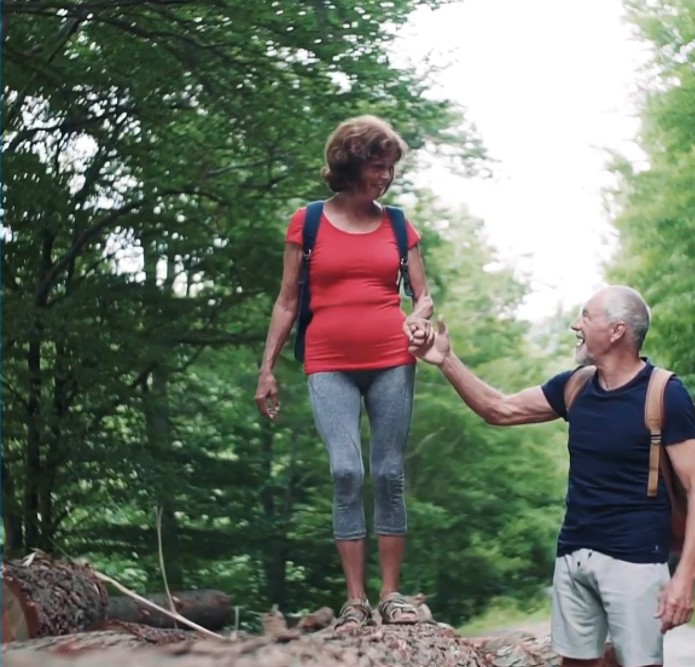
A marketing approach that treats the over 50s market as ‘winding down’ is one that’s set to fail.
January’s edition of TIME highlights 4 key takeaways for your later life marketing strategy this year.
Marketing without beginning, middle or end
An estimated 1 in 5 people worldwide are projected to be 60 or older by 2050, and there’s a fundamental change in the age structure of society.
There’s a need to think more creatively about the old perception of life stages. A one-size-fits-all fixed path of learning, then work, then retirement just isn’t realistic anymore. There’s no set beginning, middle and end.
The over 50s are in a multi-stage flow, with some returning to university at 70 or starting a new business at 75. So, champion agility, lifelong learning, and exploring new things. Don’t focus only on leisure and rest in your imagery and messaging.
Shifting the perspective
The perspective of retiring after a certain age comes historically from industries rooted in manual labour. Focussed on the limits of keeping older employees in physically demanding jobs. But the employment landscape has shifted dramatically. People are working longer, staying active and maintaining a healthy balance of work and play. Marketing campaigns need to reflect this to engage today’s over 50s market.
If companies want to be competitive, they need to focus on retaining their older employees. Not showing them the door. And this is the same for marketing agencies, needing a span of age ranges across the marketing department. A team of young employees without any older influence will struggle to resonate with the mindset of the over 50s. And keeping that breadth of perspective is a crucial part of effective audience engagement.
Marketing a mindset
Research shows that a positive attitude towards ageing can add 7.5 years to life, so it’s time to retire the anti-ageing narrative. Successful brands are shifting to pro-age messaging. Focussing on the positives so as not to alienate the 88% of this demographic who refuse to let age define their capabilities.
Telling the story of a full and well lived life means thinking about it not just in terms of chronological age, but as a continuum. A pronounced shift away from the stereotyping and ageist attitudes that have led to discrimination in so many of the marketing portrayals we see.
Living longer, living better
The focus has shifted from living longer to living better. Consumers are looking for quality of years, not just quantity. Positioning your products and services as a tool for autonomy and vitality is the path to engagement. Making sure you answer the ultimate question “How does this help me maintain the life I want for another 30 years?”
In 2026, the brands that do well will be the ones that promote themselves as empowering people to thrive in their second half-century, whatever that looks like for them.
You can find more support here with marketing for the over 50s demographic.